Professional Dental · Urgent dental care
Emergency Dentist in Utah
When your tooth can’t wait,
start with a call.
A toothache can take over your day. A broken tooth can change your plans in a moment. Professional Dental helps Utah patients take the next step with an urgent evaluation, clear treatment recommendations, and care focused on the problem.
Call about pain, swelling, a damaged tooth, or another urgent concern. Our team can help you find an appropriate office and confirm appointment availability across our Utah network.
For an urgent problem, call rather than waiting for an online appointment request. Availability and treatment options depend on the office and your needs.
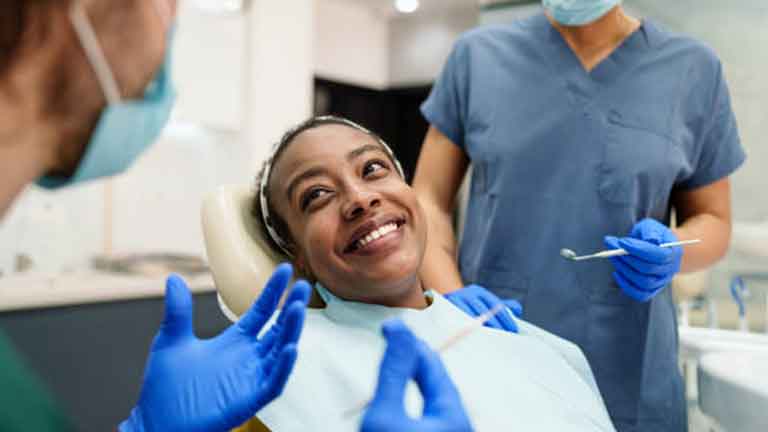
Something feels wrong.
Here’s where to start.
Emergency dental care evaluates pain, infection, damage, and other problems that need timely attention. Choose a concern for general guidance, then call to discuss your symptoms. This guide cannot diagnose the cause or determine how long it is safe for you to wait.

A toothache deserves an explanation.
Persistent, severe, or worsening pain can have several causes, including decay, a crack, or a problem inside a tooth. A dental examination helps identify the source; the location of pain alone does not establish a diagnosis.
What to do: Call and describe when the pain began, whether it is constant or triggered, and any swelling, fever, or injury. Avoid chewing on the affected side. A pharmacist can advise on an over-the-counter pain reliever that is appropriate for your health and medications; follow its label.
Do not place aspirin directly on a tooth or gum. New swelling, fever, or worsening symptoms should be reported promptly.
Call Professional Dental →Swelling is a reason to act promptly.
Swollen gums, a swollen cheek, a bad taste, or a painful lump can be associated with infection or another problem. A suspected dental abscess needs assessment; home remedies do not remove the source.
What to do: Call promptly and tell the team how quickly swelling is changing, whether you have a fever, and whether you feel unwell. Do not try to drain or puncture a swollen area yourself.
Seek emergency medical care for trouble breathing or swallowing, swelling affecting an eye, or substantial swelling in the mouth or neck. Do not wait for a dental office callback in those situations.
Call Professional Dental →Protect the tooth. Find out what can be saved.
A chip, crack, or broken tooth can range from a small edge defect to damage involving the inside of the tooth. Pain, bleeding, sensitivity, looseness, and the way the tooth broke affect the next step.
What to do: Call, avoid chewing on the tooth, and save any broken pieces to bring with you. If there was an accident, mention whether your bite changed or you also injured your face or jaw.
A small painless chip may not have the same urgency as a painful fracture, but the tooth still needs evaluation. Do not use household glue or assume a tooth is safe because discomfort has settled.
Call Professional Dental →A knocked-out adult tooth is time-sensitive.
Get immediate dental attention for a knocked-out permanent tooth. Handle it by the crown, the part normally visible above the gums, rather than the root. Do not scrub it, let it dry out, or wrap it in a tissue.
If it cannot be safely put back into its socket, keep it moist in milk or a tooth-preservation solution and bring it with you. Call while arranging immediate care; do not delay to finish reading this page.
A baby tooth should not be replanted. If you are unsure which type of tooth was lost, ask for immediate clinical guidance. Major injury, breathing difficulty, or uncontrolled bleeding requires emergency medical care.
Call Professional Dental →A missing restoration needs a plan.
A lost filling or crown can leave a tooth sensitive, expose vulnerable structure, or make it harder to chew. The tooth’s condition determines whether the restoration can be replaced, repaired, or needs a different treatment.
What to do: Keep a crown or broken restoration if you can and bring it to the visit. Avoid chewing on the affected tooth and call about pain, sharp edges, or a change in your bite.
Do not use superglue or another household adhesive. A painless problem may be scheduled differently from a painful one, but waiting without advice can leave the tooth at risk of further damage.
Call Professional Dental →First, understand the problem.
Then, make a plan.
An emergency appointment focuses on the concern that brought you in. It may involve an examination, clinically appropriate imaging, and a discussion of immediate care and follow-up. It is different from a routine cleaning visit.
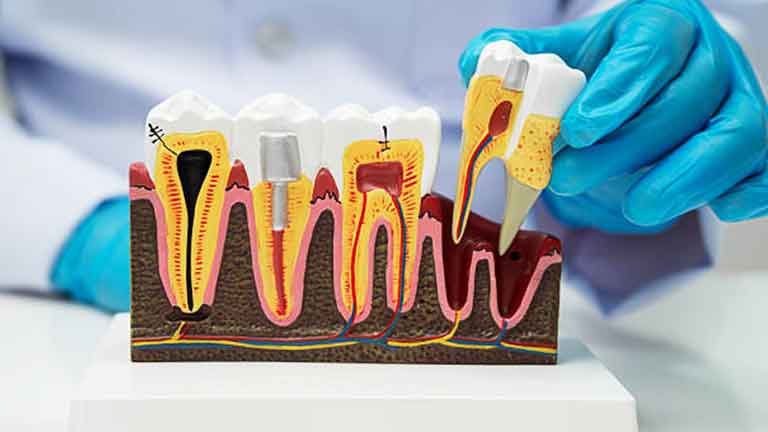
You do not need to have all the answers.
Tell us what you are feeling, what has changed, and what worries you. The dentist can explain findings, whether the tooth may be restorable, and which options address the cause.
If dental anxiety has kept you away, mention that when you call. Discuss available comfort options with the treating team. Sedation and other accommodations depend on an evaluation and the care setting.
- Tell us what happened.Describe the symptoms, timing, injury, swelling, recent treatment, and medications. That information helps the team discuss the appropriate next step.
- Get a focused evaluation.The dentist examines the affected area. Imaging or other tests may be needed to identify the cause and assess the tooth or surrounding tissues.
- Understand your options.Review recommended care, alternatives, estimated costs, and what can be completed at that visit. Some problems need staged treatment or a referral.
Relief starts with treating
the right problem.
Tooth pain does not automatically mean an extraction or a root canal. The appropriate treatment depends on the diagnosis, the amount of damage, and your overall health.
Repair a damaged tooth.
Depending on the damage, a filling, bonding, replacement restoration, or crown may help restore a tooth. The dentist assesses remaining tooth structure, the bite, and whether deeper tissues are affected.
A lost crown can sometimes be reattached, but it must fit and the underlying tooth needs to be suitable. A crack may require a different plan than a small chip. An examination helps avoid a temporary fix that overlooks the cause.
Address infection or inner-tooth damage.
When the pulp inside a tooth is infected or inflamed, root canal treatment may be considered if the tooth can be saved. Other problems may require drainage, a different procedure, or referral. The treatment decision follows an evaluation.
Antibiotics are not a substitute for definitive dental care and are not automatically needed for every toothache. The clinician considers signs of spreading infection, your medical history, and the treatment required.
Remove a tooth when necessary.
An extraction may be recommended when a tooth cannot reasonably be restored or another clinical reason makes removal appropriate. Ask why it is recommended, whether an alternative is feasible, and what recovery and follow-up involve.
Emergency care may be the first stage of a longer plan. Once the urgent problem is managed, you can discuss restoring function or replacing a missing tooth when appropriate.
Patient Experiences
A stressful moment.
A more reassuring next step.
A Professional Dental patient describes an emergency visit while traveling.
“I was traveling, had a dental emergency, and this office was incredible. … They turned a stressful situation into a manageable one.”
Mia Neumann
Rose Park · Emergency-care review excerpt
Know the cost.
Understand the next step.
The cost of emergency dental care depends on the evaluation, imaging, and treatment needed. A focused exam and a procedure are separate parts of care, and insurance benefits vary.
Ask for an explanation of recommended services, estimated fees, and your expected share. If you do not have insurance, ask about self-pay costs, the in-house care plan, and payment options. Confirm eligibility and current terms before relying on a promotion or plan.
Financing, when available, is subject to its provider’s approval and repayment conditions. Explore insurance information →
Feeling better is
the beginning of follow-through.
Temporary treatment can protect a tooth or help manage a problem while additional care is arranged. Ask whether the visit completed treatment or whether you need another appointment.
Follow the instructions provided for eating, cleaning, medications, and recovery. If symptoms worsen, swelling spreads, a fever develops, or something does not match your instructions, contact the treating office promptly.
If you develop trouble breathing or swallowing, uncontrolled bleeding, or another medical emergency, seek emergency medical care instead of waiting for a routine response.
Emergency Dental Questions
Clear answers when
you need them most.
What to do, what to expect, and what to ask about urgent dental care in Utah. For immediate concerns, call rather than relying on an online guide.
20 questions
What counts as a dental emergency?
A dental emergency is a problem that needs prompt evaluation because of pain, infection, injury, bleeding, or the risk of losing a tooth.
Examples include a severe toothache, swelling, a knocked-out permanent tooth, or a painful broken tooth. Some concerns are more time-sensitive than others, and a painless chip is different from an injury with bleeding or a changed bite. Call and describe the symptoms so the team can discuss urgency and availability. Breathing or swallowing difficulty, uncontrolled bleeding, or major facial trauma needs emergency medical care.
Should I see an emergency dentist or go to the emergency room?
A dentist generally treats tooth-related problems, while a hospital emergency department is appropriate for serious medical symptoms or significant trauma.
Seek emergency medical care for difficulty breathing or swallowing, uncontrolled bleeding, severe swelling affecting the eye or neck, or a major face or jaw injury. Do not wait for an appointment callback in those situations. For a toothache, lost filling, or damaged tooth without those red flags, call a dental office promptly. Hospital care may stabilize a medical problem, but a tooth may still need follow-up dental treatment.
Can Professional Dental see me the same day?
Call (801) 785-8000 to ask about the earliest appropriate emergency appointment.
Availability depends on the office, provider, current schedule, and treatment your situation requires. We do not promise same-day treatment at every Utah location. Explain whether there is swelling, fever, injury, bleeding, or severe pain so the team can help identify the next step. Some concerns require referral or a different care setting. If there are medical red flags such as breathing or swallowing difficulty, seek emergency medical care rather than waiting for a dental appointment.
Do you offer emergency dental care on evenings or weekends?
Some Professional Dental offices offer evening or weekend appointments, but hours and emergency availability vary.
Call before traveling so the team can confirm which Utah office can assess your concern and when. The network should not be assumed to operate as a 24-hour walk-in emergency facility. If you cannot reach an appropriate dental provider and symptoms are severe or worsening, seek urgent guidance from another available provider. For trouble breathing or swallowing, uncontrolled bleeding, severe spreading swelling, or major injury, use emergency medical services rather than waiting for office hours.
Can I walk in, or should I call first?
Calling first is the best way to confirm that an office has an appropriate provider and appointment available for your concern.
Different problems require different amounts of time, equipment, or expertise. Tell the team what happened, your symptoms, and whether you have already had recent treatment. They can discuss where to go and what to bring. An online appointment request is not a confirmed emergency slot, and arriving without calling does not guarantee immediate treatment. A knocked-out adult tooth is time-sensitive: seek immediate dental attention while arranging care.
What should I do for a severe toothache before my visit?
Contact a dentist promptly and avoid chewing on the painful area while arranging an evaluation.
Gentle cleaning may help if food is trapped, but do not poke the area with a sharp instrument. Ask a pharmacist or clinician which over-the-counter pain relief is suitable for your health, age, pregnancy status, and medications, and follow the label. Do not put aspirin directly against a tooth or gum, and do not use leftover antibiotics as a substitute for assessment. Pain relief does not establish the diagnosis or mean the underlying problem has resolved.
Is a dental abscess an emergency?
A suspected dental abscess needs prompt professional assessment because it involves infection and may worsen without treatment.
Symptoms can include pain, swelling, a bad taste, or a gum swelling, although symptoms differ. Do not try to puncture or drain it yourself, and do not assume it is cured if it drains or becomes less painful. The dentist must assess the source and determine appropriate treatment. Fever, feeling unwell, or increasing swelling should be reported promptly. Difficulty breathing or swallowing, swelling affecting an eye, or substantial mouth or neck swelling requires emergency medical care.
What if a permanent tooth is knocked out?
Seek immediate dental attention and keep the tooth from drying out.
Hold it by the crown rather than the root. Do not scrub it, wrap it in a tissue, or leave it dry. If it cannot be safely returned to its socket, place it in milk or a tooth-preservation solution and bring it with you. Contact a dentist immediately; acting quickly may improve the chance of saving it, but the outcome cannot be guaranteed. If the tooth belongs to a child and you are unsure whether it is permanent, ask for urgent clinical instructions. A baby tooth should not be replanted.
What should I do if my child knocks out a baby tooth?
Do not put a knocked-out baby tooth back into its socket; contact a dentist promptly for an assessment.
The child may also have injured the gum, nearby teeth, or other tissues. Tell the office the child’s age, how the injury happened, whether the tooth was recovered, and whether there is bleeding or pain. If you are unsure whether it was a baby or adult tooth, say so and ask for immediate guidance. Breathing concerns, a suspected serious head or facial injury, or uncontrolled bleeding needs emergency medical evaluation.
Can a chipped or cracked tooth wait?
A small painless chip may be less urgent than a painful fracture, but a damaged tooth still needs a dental assessment.
Call to describe the size of the break, pain, sensitivity, looseness, and any bleeding or change in the bite. A crack can extend beyond what is visible, and symptoms may come and go. Avoid chewing on the tooth and keep any fragments you recover. Do not rely on the absence of pain to decide that no treatment is needed. If there was significant facial trauma or uncontrolled bleeding, seek emergency medical care.
What if my filling or crown falls out?
Call the office, protect the tooth from chewing pressure, and save the crown or other recovered restoration to bring with you.
The dentist needs to check the tooth and determine whether the restoration can be reused or a different repair is needed. Report pain, sensitivity, a sharp edge, or a change in your bite. Do not use household glue or force a crown into place. A painless missing restoration may be scheduled differently from one causing severe symptoms, but leaving the tooth exposed without advice can allow further damage.
Will I need an extraction or a root canal?
That decision depends on the diagnosis and whether the tooth can reasonably be restored.
A toothache does not automatically mean either procedure. Depending on the cause, care may involve a filling, repair, replacement crown, root canal treatment, extraction, or another approach. The dentist considers examination findings, imaging when indicated, remaining tooth structure, and your health. Ask what is causing the problem, why a procedure is recommended, what alternatives are feasible, and whether treatment can be completed that day. Some situations require staged care or referral.
Will antibiotics fix my tooth infection?
Antibiotics alone often do not address the dental source of an infection, and they are not routinely needed for every toothache.
Treatment may require a procedure such as root canal treatment, drainage, or removal of a tooth, depending on the diagnosis. A clinician decides whether antibiotics are appropriate based on the symptoms, signs of spread, and medical history. Do not take another person’s prescription or leftover medication. If you were prescribed antibiotics, follow the clinician’s instructions and still complete the recommended dental care. Worsening swelling or medical red flags require prompt reassessment.
What happens during an emergency dental exam?
An emergency exam focuses on the tooth or area causing concern, your symptoms, and any urgent risks.
The team asks about medical history, medications, allergies, recent dental care, and how the problem began. The dentist examines the area and may recommend imaging or tests that help identify the cause. You can then discuss findings, treatment options, estimated costs, and timing. The appointment does not necessarily include a routine cleaning or guarantee completion of every procedure. Ask what has been treated, what remains to be done, and which symptoms should prompt another call.
How much does emergency dental care cost in Utah?
The cost depends on the examination, any necessary imaging, and the treatment required; there is no single price that fits every emergency.
A lost crown, an infected tooth, and a traumatic injury may involve very different services. Ask for an estimate that identifies the recommended procedures and your expected responsibility. Insurance coverage depends on your plan, and additional appointments may have separate fees. Professional Dental can discuss available payment options and current terms. This page does not advertise an unverified emergency-exam price or imply that every treatment is included in one visit.
Does dental insurance cover emergency treatment?
Coverage depends on your individual dental plan, the services required, and the office’s participation.
An emergency evaluation, imaging, a crown, root canal treatment, and extraction may fall under different benefits. Deductibles, annual limits, waiting periods, or other plan rules can affect what you pay. Have your insurance details ready and ask the office to check benefits and provide an estimate. An estimate is not a guarantee of insurer payment. If you do not have insurance, ask about self-pay costs, care-plan eligibility, and payment options before relying on an advertised offer.
Can you help if I am new to Professional Dental or visiting Utah?
Call to ask about an emergency evaluation even if you are a new patient or visiting Utah.
The team can confirm appointment availability and help identify an appropriate office. Explain where you are, the symptoms, and any recent treatment so they can discuss practical next steps. Bring medication and allergy information, insurance details, and recent dental records if available. Do not delay urgent care while waiting to obtain records. If treatment is started while traveling, ask what follow-up is needed and what information should be shared with your regular dentist.
What if I am anxious about emergency treatment?
Tell the team about dental anxiety when you call and again before the examination.
You can ask the dentist to explain the proposed steps, available comfort options, and how to signal if you need to pause. Your medical history and the urgency and type of treatment affect the approach. Sedation is not automatically included and must be discussed with the treating clinician, including suitability, risks, alternatives, preparation, and availability. You do not need to hide concerns about previous experiences. Understanding the plan can help you make informed decisions while getting the problem assessed.
What if pain gets better before my appointment?
Keep the office informed and do not assume that reduced pain means the tooth has healed.
Symptoms can fluctuate, and temporary relief does not identify the cause or confirm that treatment is no longer needed. Tell the team whether you have taken medication, noticed drainage, developed swelling, or had another change. They can advise whether the appointment plan needs to change. If a temporary repair or medication was provided, follow the instructions and complete recommended follow-up. New fever, spreading swelling, difficulty swallowing or breathing, or uncontrolled bleeding needs urgent attention.
How do I find the right Professional Dental emergency office in Utah?
Call the central team at (801) 785-8000 or contact a listed office to confirm where you can be evaluated.
Professional Dental has 19 Utah offices, from Logan to Payson, but emergency schedules, provider availability, and treatment scope vary. Use the office selector below for location details, then call before traveling. Tell the team about pain, injury, swelling, and recent treatment so the appointment can be matched to your concern. Do not assume the nearest office provides every specialty procedure at all times. An online request is not a confirmed emergency appointment.
19 Utah offices.
Start with the right one.
Professional Dental serves communities across Utah County, Salt Lake County, Davis County, and Cache County. Call to confirm emergency availability, hours, and the appropriate provider before you travel.
Find a Professional Dental office
Call before traveling to confirm availability and explain your symptoms.
(801) 785-8000Let’s take the next step
toward getting you cared for.
For urgent symptoms, call now. For non-urgent scheduling, you can also request an appointment online.